
Author: admin

  • The Future of Renewable Energy

    The global demand for energy is constantly increasing, making renewable energy sources more important than ever. As concerns about climate change grow, governments and industries are investing heavily in sustainable energy solutions.

    Solar Power

    Solar energy has become one of the most popular renewable sources. Advances in photovoltaic technology have made solar panels more efficient and affordable. Countries around the world are implementing solar farms to harness the power of the sun, reducing reliance on fossil fuels.

    Wind Energy

    Wind power is another leading renewable energy source. Offshore and onshore wind farms are being developed to generate electricity on a large scale. Innovations in turbine design have increased efficiency, making wind energy a competitive alternative to traditional power sources.

    Hydropower

    Hydroelectric power has been a staple in renewable energy for decades. Dams and run-of-river systems provide a steady source of energy. With modern advancements, hydroelectricity is becoming more efficient and environmentally friendly.

    Emerging Technologies

    New technologies are pushing the boundaries of renewable energy. Tidal and wave energy, geothermal power, and hydrogen fuel cells are being explored as viable alternatives. These innovations have the potential to revolutionize the energy industry and create a sustainable future.

    The Road Ahead

    The transition to renewable energy is not without challenges. Infrastructure, cost, and storage remain key obstacles. However, with continued research and investment, renewable energy can become the primary source of power, ensuring a cleaner and more sustainable planet for future generations.
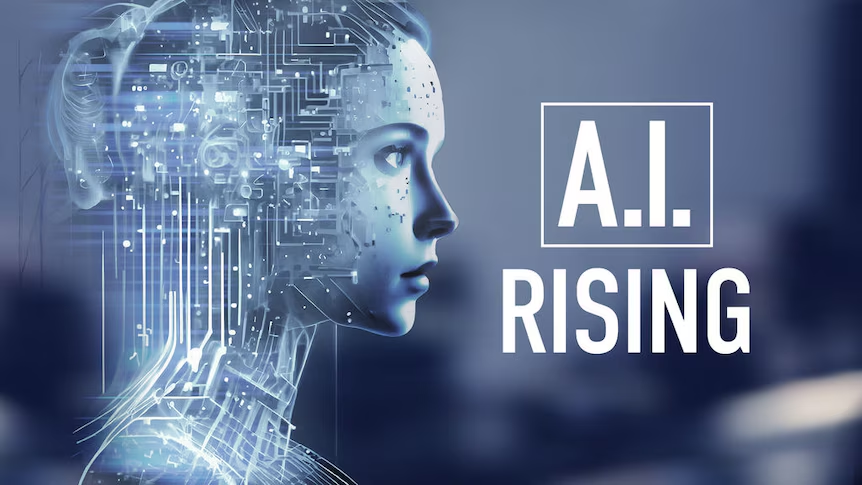
  • The Rise of AI in Everyday Life

    Artificial Intelligence (AI) is no longer a concept of the distant future; it has become an integral part of our daily lives. From voice assistants to personalized recommendations, AI is transforming the way we interact with technology.

    AI in Communication

    One of the most prominent uses of AI is in communication. Virtual assistants like Siri, Alexa, and Google Assistant have revolutionized how we access information, set reminders, and control smart home devices. AI-driven chatbots are also enhancing customer service experiences by providing instant responses and personalized support.

    AI in Healthcare

    AI is making significant strides in the healthcare industry. Machine learning algorithms can analyze medical data to detect diseases at an early stage, assisting doctors in making accurate diagnoses. AI-powered robotic surgery and virtual health assistants are improving patient care and streamlining hospital operations.

    AI in Transportation

    Self-driving cars and AI-powered navigation systems are changing the transportation industry. Companies like Tesla and Waymo are developing autonomous vehicles that aim to reduce traffic congestion and accidents. AI is also optimizing public transportation systems, making travel more efficient and convenient.

    AI in Entertainment

    AI is shaping the entertainment industry by offering personalized content recommendations. Streaming platforms like Netflix, Spotify, and YouTube use AI to analyze user preferences and suggest relevant movies, songs, and videos. AI-generated art and music are also gaining popularity, showcasing the creative potential of artificial intelligence.

    AI in Business

    Businesses are leveraging AI to enhance productivity and decision-making. AI-driven analytics provide valuable insights, helping companies optimize marketing strategies and improve customer engagement. Automated workflows powered by AI reduce manual labor and boost efficiency in various industries.

    The Future of AI

    As AI technology continues to evolve, its impact on society will only grow. While AI offers numerous benefits, it also raises ethical concerns, such as data privacy and job displacement. It is crucial to find a balance between innovation and responsible AI development to ensure a positive future.

    AI is here to stay, and its influence will only expand in the coming years. Embracing AI responsibly can lead to a smarter, more efficient world where technology enhances human capabilities rather than replacing them.